
Why This Matters Now
For small and mid-sized nonprofits, including Community Health Centers (CHCs), federal awards are no longer side projects, they fund core operations. The Uniform Guidance, formally “2 CFR Part 200”, is not an optional manual for surviving audits; it is the federal framework defining how every grant dollar must be spent, tracked, and proven.
In April 2024, the Office of Management and Budget (OMB) issued revisions that reshape cost principles and audit thresholds, effective October 1, 2024. Alongside these revisions stands the OMB Compliance Supplement, which auditors and agencies use to test compliance under Subpart F. The Compliance Supplement is officially Appendix XI to the Uniform Guidance (2 CFR Part 200) and serves as its companion document. It does not replace the Guidance but operationalizes it for audit practice. Together, they form the accountability framework for every organization spending federal funds, whether a $250,000 subaward or a $5 million health grant.
What the Rulebook Covers
Uniform Guidance applies to non-federal entities that spend federal funds: nonprofits, CHCs, state and local governments, and higher education institutions. The Compliance Supplement translates those requirements into practical audit areas such as allowable costs, activities, cash management, procurement, subrecipient monitoring, reporting, eligibility, and property management. Each year OMB updates the Supplement to reflect current testing expectations and program-specific requirements under the Uniform Guidance.
For most SMB CHCs and nonprofits, three areas deserve top billing. First, Allowable Costs and Activities: spending must track to the award terms and approved budget, follow cost principles, and be supported by contemporaneous evidence. Second, Internal Controls, especially time-and-effort: too often staff “true-up” hours to match the budget instead of documenting actual time devoted to the award, or invoices are paid without a demonstrable segregation of duties. Third, External Reporting: monthly or quarterly financial reports to funders are frequently late or inconsistent with the general ledger, and those basic errors become the first audit findings.
The New Single Audit Threshold
Through September 30, 2024, nonprofits spending $750,000 or more in federal funds within a fiscal year triggered a Single Audit under Subpart F. Beginning October 1, 2024, that threshold rises to $1,000,000.
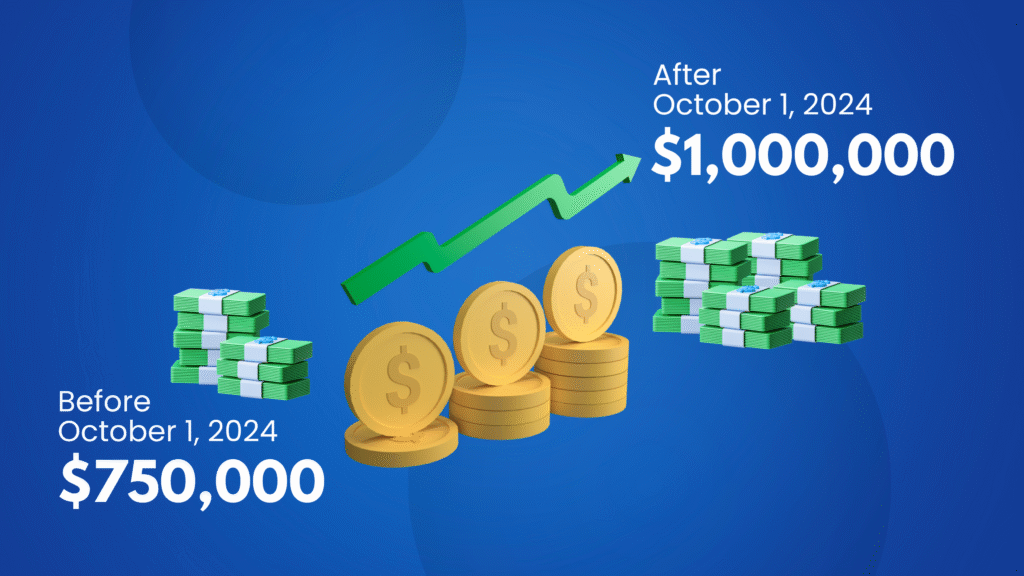
Boards and finance leaders must track total federal expenditures across all grants, not by program alone. Crossing the new threshold activates the Single Audit requirement.
Entities demonstrating two consecutive years of timely filings, unmodified opinions, and no material weaknesses may qualify as low-risk auditees, which can reduce scope and burden. That status is earned by discipline, not declared by preference.
Where Small Organizations Slip
Smaller nonprofits rarely fail due to intent; they falter in execution. The first weak point is external reporting. Funders expect submissions to be punctual and reconciled to the books, yet many reports arrive late or fail to tie to the general ledger.
The second issue is control execution. Many small teams let one person initiate, record, and approve transactions. Even when the right people review invoices, there’s no retained evidence of approval or review. Without a trail, it’s as if the control never happened.
The third recurring problem lies in time-and-effort documentation. Timesheets are incomplete, inconsistent, or revised to match the budget rather than reflect actual work.
Each of these flaws is correctable, but only if organizations embed compliance habits into daily operations rather than treating them as audit-season activities.
Documentation is the Proof
Auditors and funders look for more than invoices or receipts; they examine how financial decisions were made and recorded. This means retaining signed or electronically logged approvals for expenditures, maintaining reconciliations that connect funder reports to the general ledger, and archiving certified time records that support payroll allocations.
For restricted awards and donations, it also means maintaining the donor letter, the internal release of restrictions, and the ledger that tracks the remaining balance. The standard to keep in mind is the oldest one in auditing: if it’s not documented, it didn’t happen.
Making Readiness Routine
Strong audit outcomes are are byproducts of everyday discipline. Compliance should not be a year-end scramble but a continuous process of discipline. Separating responsibilities, who initiates, who approves, and who reviews, creates accountability, even in lean teams.
Maintaining a visible approvals trail for payments and journal entries, ensuring contemporaneous time-and-effort certifications, reconciling key subledgers and bank accounts monthly, and enforcing a reporting calendar that aligns all funder submissions with the general ledger are essential steps.
Treating each quarter like a mini-close, complete with policy updates, board minutes, and restricted fund reconciliations, helps ensure that the organization is always audit-ready. When you operate this way, a mock audit becomes a confidence check rather than a scramble.
The Digital Shift Ahead
Compliance oversight is becoming continuous and data-driven. Federal systems such as SAM.gov, FSRS, and the GREAT Act’s push for machine-readable reporting are transforming how grant activity is monitored.
Electronic documentation, scanned invoices, system-generated approvals, secure cloud storage is fully acceptable if it remains legible, traceable, and protected. At the same time, cybersecurity and access control are now part of compliance. Unauthorized system access or weak password practices can carry audit implications alongside financial findings.
Nonprofits investing early in digital documentation, version control, and secure workflows will be better positioned for this new reporting environment.
How we help
At Sheikh, Osher & Scott CPAs & Advisors, we coach small and mid-sized nonprofits and CHCs to make Uniform Guidance compliance predictable. We translate 2 CFR Part 200 into practical routines, harden internal controls that fit lean teams, and help clients arrive at Single Audit ready, without turning the year into a paperwork marathon. From Head Start settings to community health awards, our approach has helped Illinois- and Dallas-area organizations achieve clean results and, just as important, strengthen funder confidence.